



Frequently Asked Questions
What research grant or capital equipment funding pathways are available for procuring thin film deposition systems like the Auto 306 in Australian universities?
In Australia, thin film deposition systems are commonly funded through: ARC LIEF (Linkage Infrastructure, Equipment and Facilities) grants, NHMRC equipment grants, university capital equipment programmes, state government research infrastructure funds, and industry partnership co-investment arrangements. Ezzi Vision can provide a formal quotation, technical specification letter, and product reference list to support your grant application. They have experience supporting Australian university equipment grant submissions.
What deposition rate and film thickness uniformity specifications can researchers expect from the Auto 306 Lab Coater?
The Auto 306 Lab Coater achieves deposition rates and film thickness uniformity dependent on the deposition technique and material being deposited. Thermal evaporation of metals typically achieves uniformity of +/-5% or better across the substrate platen, with deposition rates of 0.1-10 nm/s depending on material and power settings. The system's built-in quartz crystal microbalance (QCM) provides real-time deposition rate monitoring and thickness control. Contact Ezzi Vision for material-specific performance data.
What substrate sizes and types can be accommodated in the Auto 306 Lab Coater for research applications?
The Auto 306 accommodates a range of substrate sizes and types including: silicon wafers (up to 4-inch diameter in standard configuration), glass slides and coverslips, flexible substrates, metal foils, and custom substrate shapes. The substrate holder is interchangeable and can be configured for heating, rotation, or tilt depending on the deposition requirement. Ezzi Vision can confirm the substrate configuration available for your specific research application.
What is the base vacuum level and pumping system specification of the Auto 306 Lab Coater?
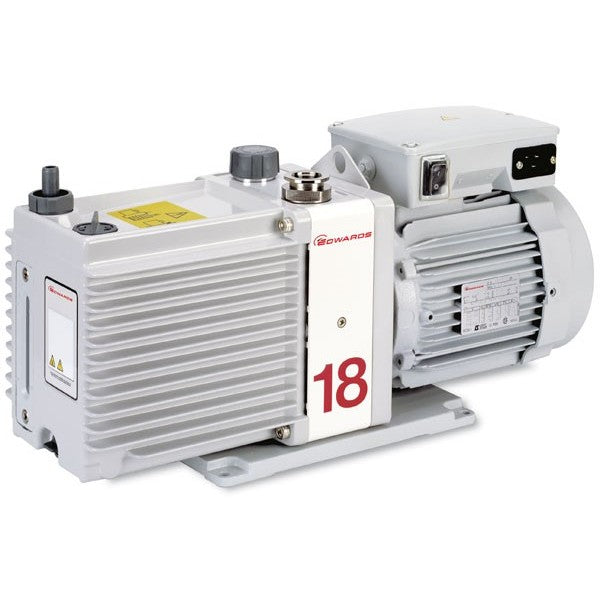
The Auto 306 Lab Coater achieves base pressures in the range of 10^-6 mbar, typically using a turbomolecular pump backed by a dry scroll or rotary vane pump. This high vacuum level is essential for mean free path control during evaporation and for producing dense, high-purity thin films. Ezzi Vision can provide the full pumping system specification, including ultimate pressure, pump-down time, and throughput characteristics.
How does the Auto 306 Lab Coater integrate with a university's shared equipment facility infrastructure and safety management systems?
The Auto 306 is designed for shared user facility deployment and typically integrates with: institutional user management and booking systems (via simple access control interfaces), laboratory safety management through interlocked high-voltage and vacuum safety systems, and process logging for user accountability. Ezzi Vision provides full installation, commissioning, and staff training to support shared facility operations. They can advise on appropriate infrastructure requirements for your facility.
What consumables, spare parts, and support are available for the Auto 306 Lab Coater in Australia?
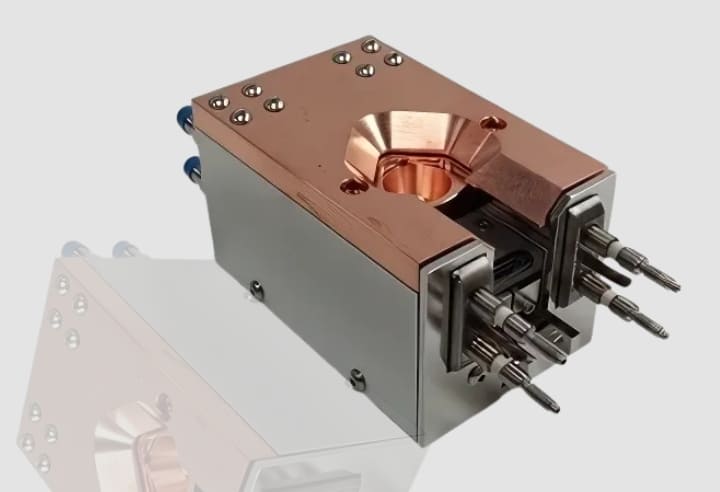
Ezzi Vision supports Auto 306 installations in Australia with: supply of evaporation sources (boats, crucibles, e-beam hearths), sputter targets, substrate holders, quartz crystal sensors for the deposition rate monitor, pump service kits, and vacuum hardware. Their technical team can advise on consumable selection for your specific deposition materials and processes. Service and repair support is available locally without needing to ship the system overseas.


Choose Ezzi Vision
Vacuum, Lithography, Thin-Film Experts
Experience top-tier repair and maintenance services for glovebox and vacuum equipment, backed by industry expertise across Australia.
Contact Us
Leading Expertise
30+ Years in Tech

Comprehensive Range
1600+ Products

Technical Support
Expert guidance

Lorem, ipsum dolor.
Lorem ipsum dolor sit.