



How to Choose the Right Vacuum Pump for Your Application
Choosing the wrong vacuum pump can lead to higher operating costs, equipment failure, reduced efficiency, and unnecessary downtime. Whether you work in manufacturing, laboratories, packaging, food processing, or scientific research, selecting the right system is critical. This comprehensive vacuum pump selection guide explains everything businesses need to know about choosing reliable industrial vacuum pumps, understanding the different types of vacuum pumps in Australia that industries use, and finding the best solutions from trusted vacuum pump manufacturers and vacuum pump suppliers.
Looking for the right vacuum system for your operation?
Choosing the correct solution from the many vacuum pumps in Australia can feel overwhelming, especially when every application has different pressure, flow, and performance requirements. This guide explains how to compare technologies, understand your operational needs, and select the best vacuum pump for long-term efficiency, reliability, and productivity.
Understanding Vacuum Pumps and Their Applications
Vacuum pumps are mechanical devices designed to remove gas molecules from a sealed environment to create a vacuum. These systems are widely used across industries, including pharmaceuticals, laboratories, electronics manufacturing, packaging, food processing, automotive production, and chemical processing.
Modern industrial vacuum pumps are engineered to provide consistent performance in demanding environments while supporting precision applications and high operational efficiency.
Applications commonly using vacuum systems include:
- Vacuum packaging
- Laboratory testing
- Semiconductor manufacturing
- Medical equipment
- Industrial drying
- Material handling systems
- Vacuum coating
- Scientific research
- CNC machinery
- Degassing processes
The growing demand for high-performance vacuum pumps for sale in Australia reflects the increasing need for energy-efficient and reliable industrial systems.
Selecting the right solution depends on several factors, including vacuum level requirements, gas compatibility, environmental conditions, and operational workload.
Why Choosing the Right Vacuum Pump Matters
A vacuum pump is more than just supporting equipment. It directly affects system performance, operational costs, productivity, and product quality.
Choosing the wrong pump can result in:
- Increased maintenance expenses
- Reduced efficiency
- Contamination risks
- Frequent downtime
- Excessive power consumption
- Inconsistent vacuum pressure
- Premature equipment failure
By following a proper vacuum pump selection guide, businesses can improve operational reliability and extend equipment lifespan.
Key benefits of selecting the right vacuum system include:
-
Improved Energy Efficiency
Modern vacuum technologies reduce power consumption and improve system sustainability. -
Better Operational Reliability
The correct pump provides stable vacuum performance under varying workloads. -
Lower Maintenance Requirements
Advanced pump designs minimise wear and simplify servicing. -
Enhanced Productivity
Reliable vacuum performance supports continuous production and minimises interruptions. -
Greater Process Accuracy
Precision vacuum control is essential for scientific and manufacturing applications.
Types of Vacuum Pumps Australian Industries Use
Understanding the different types of vacuum pumps in Australia that industries rely on is essential when comparing systems.
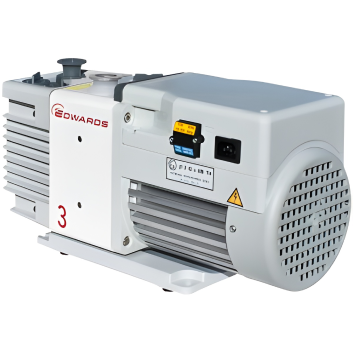
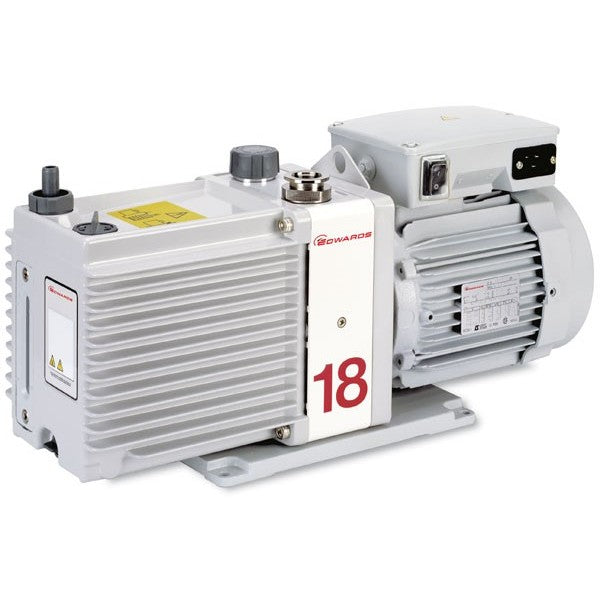
Rotary Vane Vacuum Pumps
Rotary vane pumps are among the most common industrial vacuum pumps used in manufacturing and laboratory environments.
Key features include:
- High vacuum capability
- Reliable continuous operation
- Oil-lubricated performance
- Suitable for industrial processing
Common applications:
- Packaging
- CNC systems
- Medical equipment
- Industrial automation
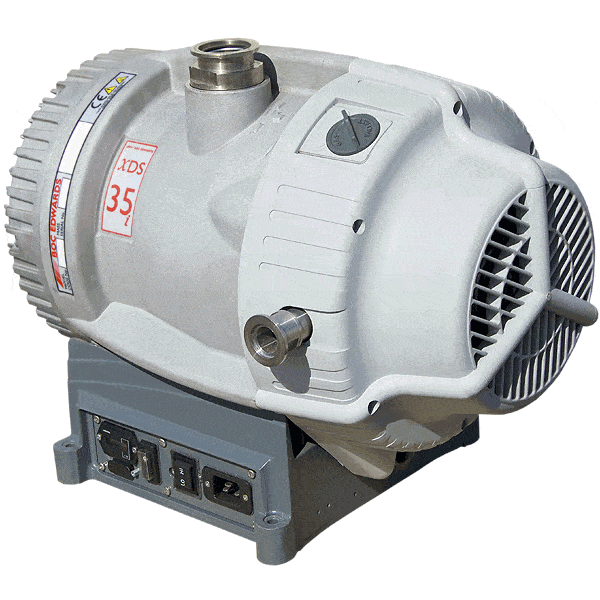
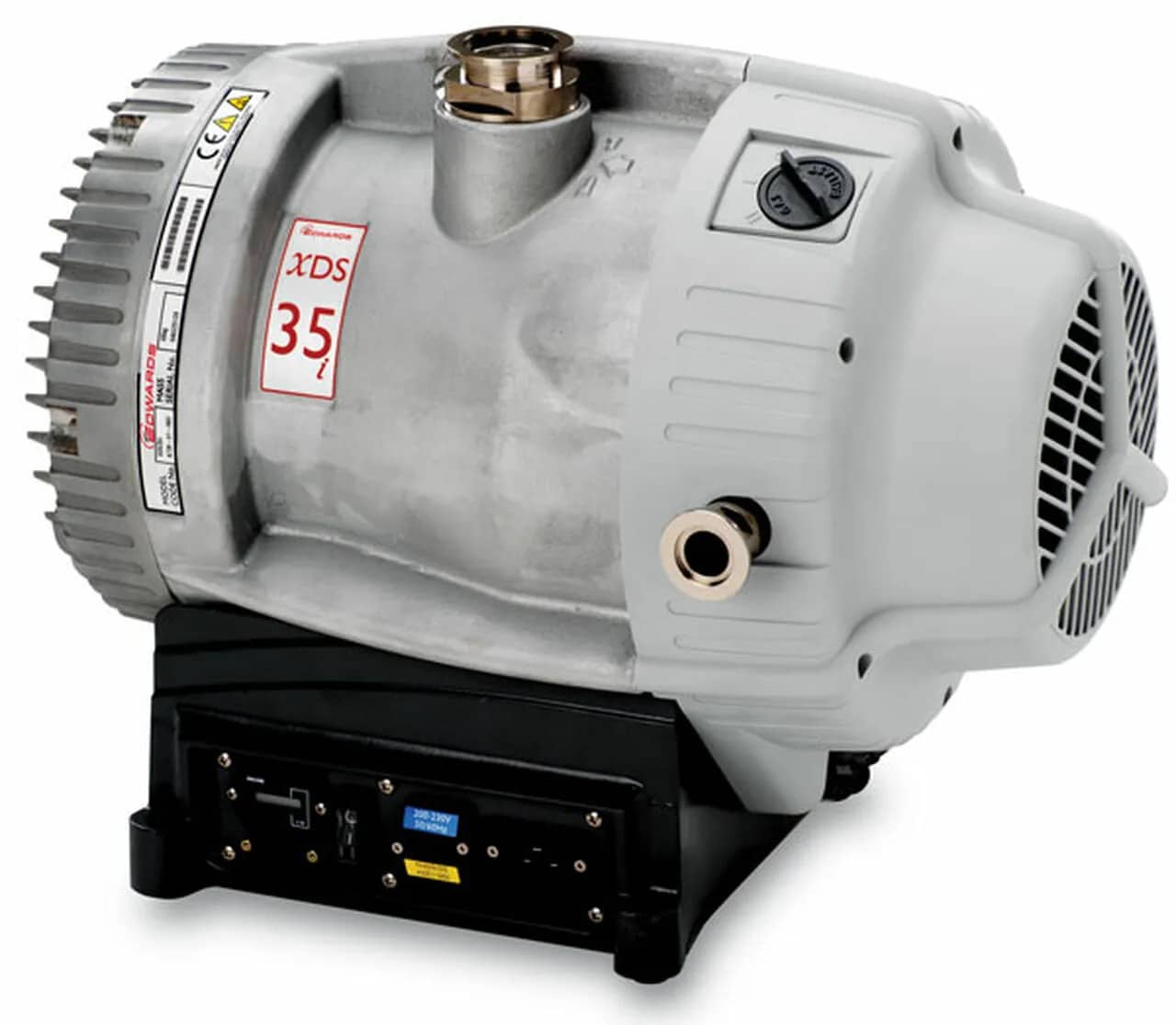
Scroll Vacuum Pumps
Scroll pumps use interleaved spiral components to compress gases efficiently without oil contamination.
Benefits include:
- Quiet operation
- Low maintenance
- Oil-free performance
- Clean vacuum generation
Ideal applications:
- Laboratories
- Scientific research
- Semiconductor manufacturing
- Analytical equipment
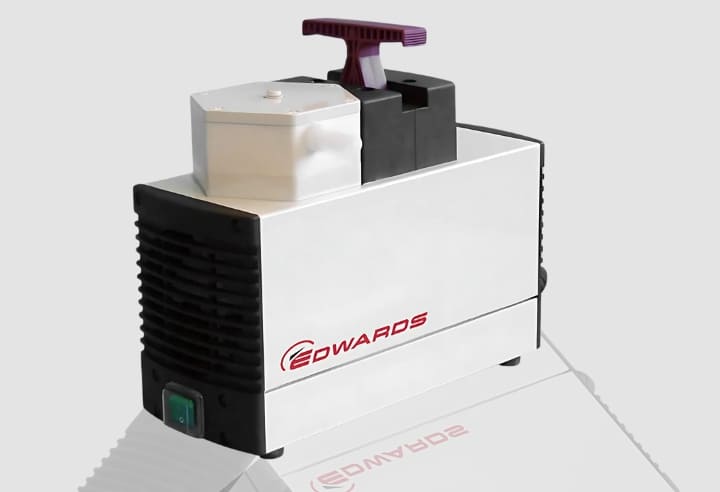
Diaphragm Vacuum Pumps
Diaphragm pumps use flexible membranes to create vacuum pressure without oil lubrication.
Advantages include:
- Chemical resistance
- Compact design
- Low contamination risk
- Environmentally friendly operation
Common uses:
- Chemical laboratories
- Filtration systems
- Medical applications
- Gas sampling
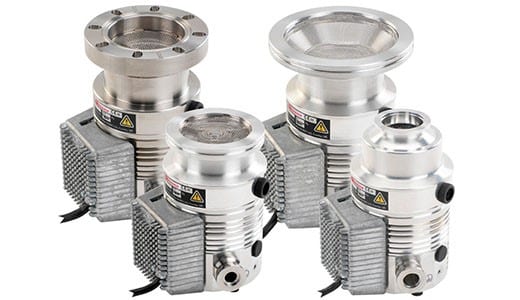
Turbo Molecular Vacuum Pumps
Turbo pumps are designed for ultra-high vacuum environments requiring extreme precision.
Key advantages:
- Extremely low pressure capability
- High-performance molecular pumping
- Precision vacuum control
- Advanced scientific applications
Industries using turbo pumps:
- Semiconductor manufacturing
- Aerospace
- Scientific research
- Surface analysis systems
Vacuum Pump Comparison Table
| Vacuum Pump Type | Vacuum Level | Maintenance | Oil-Free | Best Applications | Noise Level |
|---|---|---|---|---|---|
|
Rotary Vane |
High |
Moderate |
No |
Industrial processing, packaging |
Moderate |
|
Scroll Pump |
High |
Low |
Yes |
Laboratories, clean environments |
Low |
|
Diaphragm Pump |
Medium |
Low |
Yes |
Chemical and medical applications |
Low |
|
Turbo Molecular |
Ultra High |
High |
Yes |
Semiconductor and research industries |
Moderate |
How to Choose the Right Vacuum Pump for Your Application
Choosing the right vacuum pump requires careful evaluation of operational requirements and environmental factors.
1. Identify Your Required Vacuum Level
Different applications require different vacuum depths.
Typical ranges include:
- Rough vacuum
- Medium vacuum
- High vacuum
- Ultra-high vacuum
Understanding pressure requirements helps narrow down suitable technologies.
2. Evaluate Flow Rate Requirements
Flow rate determines how quickly the pump removes gas from a system.
Consider:
- Chamber size
- Process duration
- Production volume
- Continuous or intermittent operation
3. Consider Gas and Chemical Compatibility
Some applications involve corrosive or hazardous gases.
In these situations:
- Oil-free pumps may be preferred
- Chemical-resistant materials may be required
- Contamination-sensitive processes need specialised designs
4. Assess Environmental Conditions
Australian industrial environments can involve:
- Dust exposure
- Heat
- Humidity
- Heavy-duty operation
Reliable vacuum pump manufacturers design systems to withstand demanding conditions.
5. Evaluate Maintenance Requirements
Maintenance costs can significantly affect long-term ownership expenses.
Look for systems offering:
- Easy servicing
- Reduced downtime
- Durable components
- Efficient filtration systems
6. Prioritise Energy Efficiency
Energy-efficient vacuum systems help reduce operational costs and improve sustainability outcomes.
Modern industrial vacuum pumps often feature:
- Variable speed drives
- Smart monitoring systems
- Reduced heat generation
- Improved efficiency ratings
7. Work with Trusted Vacuum Pump Suppliers
Experienced vacuum pump suppliers provide valuable technical guidance and support.
Benefits include:
- Application-specific recommendations
- Ongoing servicing support
- Access to replacement parts
- Long-term technical expertise
Common Mistakes to Avoid During Vacuum Pump Selection
Many businesses select vacuum systems based solely on upfront cost rather than long-term performance.
Avoid these common mistakes:
-
Oversizing the Pump
Larger systems may increase energy consumption unnecessarily. -
Ignoring Future Expansion
Choose systems that can accommodate future operational growth. -
Overlooking Maintenance Costs
Low-cost systems may involve higher servicing expenses later. -
Choosing the Wrong Pump Technology
Not every pump suits every application. -
Ignoring Environmental Conditions
Industrial environments can significantly affect equipment lifespan.
Maintenance and Performance Best Practices
Proper maintenance improves reliability and extends equipment life.
Recommended practices include:
- Regular oil checks and replacement
- Monitoring vacuum pressure consistency
- Replacing filters as required
- Inspecting seals and gaskets
- Scheduling preventative servicing
- Keeping systems clean and ventilated
Preventative maintenance helps reduce downtime and maintain operational efficiency.
Choosing a Reliable Vacuum Pump Supplier for Your Industry
When industries need reliable vacuum systems, choosing experienced vacuum pump suppliers is essential for long-term performance, operational efficiency, and reduced downtime. Working with trusted specialists ensures businesses receive the right vacuum technology, ongoing technical support, and dependable equipment suited to their application requirements.
Ezzi Vision provides advanced industrial and scientific vacuum solutions designed for reliability, efficiency, and long-term performance. As trusted vacuum pump suppliers, Ezzi Vision supports Australian industries with:
- High-performance industrial vacuum pumps
- Advanced scientific vacuum technologies
- Expert technical support
- Reliable servicing solutions
- Innovative vacuum systems
- Tailored recommendations for complex applications
Whether you need laboratory vacuum systems or heavy-duty industrial solutions, Ezzi Vision delivers dependable vacuum pumps for sale designed to meet evolving operational requirements.
Final Thoughts
Selecting the right vacuum system is essential for operational efficiency, product quality, and long-term reliability. By understanding application requirements, comparing technologies, and working with experienced vacuum pump manufacturers and suppliers, businesses can make informed decisions that support productivity and reduce operational costs.
A well-planned vacuum pump selection guide helps businesses avoid unnecessary expenses while ensuring consistent performance across industrial and scientific applications.
If you are looking for reliable vacuum pumps in Australia, Ezzi Vision provides innovative solutions backed by technical expertise and industry experience.
FAQs
Q: What is the best vacuum pump for industrial applications?
The best solution depends on the required vacuum level, gas compatibility, and operational workload. Rotary vane pumps are commonly used for heavy-duty industrial applications.
Q: What are the most common types of vacuum pumps Australia industries use?
The most common systems include rotary vane pumps, scroll pumps, diaphragm pumps, and turbo molecular pumps.
Q: Are oil-free vacuum pumps better?
Oil-free pumps are ideal for clean environments where contamination must be avoided, such as laboratories and medical applications.
Q: How do I choose the right vacuum level?
Vacuum level selection depends on the process requirements, application sensitivity, and pressure specifications.
Q: How often should industrial vacuum pumps be serviced?
Servicing frequency depends on operating conditions and pump type. Preventative maintenance schedules help maximise equipment lifespan.
Q: Where can I find reliable vacuum pumps for sale in Australia?
Trusted vacuum pump suppliers like Ezzi Vision provide high-performance vacuum systems with technical support and servicing expertise.
Q: Why is energy efficiency important in vacuum pumps?
Energy-efficient systems reduce operating costs, minimise heat generation, and improve long-term sustainability.