


Industrial Vacuum Ovens – Applications & Buying Guide
Are you looking for a reliable way to dry, heat or process materials without damaging sensitive components? An Industrial Vacuum Oven provides a controlled environment by combining heat with reduced pressure, allowing businesses to complete processes more efficiently and consistently.
From manufacturing and research facilities to laboratories and technical industries, vacuum ovens help improve product quality while reducing risks such as oxidation and contamination. This guide explains how vacuum ovens work, their applications and what to consider before purchasing one.
What Is an Industrial Vacuum Oven?
An Industrial Vacuum Oven is specialised heating equipment designed to process materials in a controlled vacuum environment. Unlike traditional ovens that operate at normal atmospheric pressure, vacuum ovens remove air from the chamber while applying controlled heat.
This process allows materials to be dried, heated or treated at lower temperatures while reducing exposure to oxygen. As a result, vacuum ovens are particularly useful for applications involving heat-sensitive materials, delicate components or processes where contamination needs to be minimised.
Industrial vacuum ovens are commonly used in industries where precision and repeatable results are important. These include manufacturing, electronics, pharmaceuticals, laboratories and research environments.
For Australian businesses, selecting the right vacuum oven requires understanding the application, required temperature range, chamber capacity and vacuum performance. A correctly selected system can improve efficiency, reduce processing issues and provide better control over production outcomes.
How Do Vacuum Ovens Work?
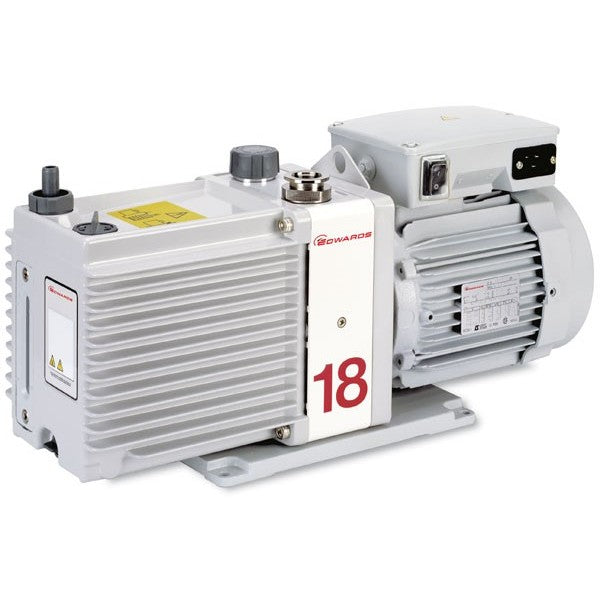
Vacuum ovens operate by creating a low-pressure environment inside a sealed heating chamber. A vacuum pump removes air and gases from the chamber, while controlled heating provides the required temperature for the process.
Removing air changes how materials respond to heat. For example, liquids can evaporate at lower temperatures, allowing sensitive products to be dried without exposure to excessive heat.
The basic process involves:
1. Loading Materials Into the Chamber
Products, samples or components are placed inside the vacuum oven chamber. The chamber is designed to maintain a sealed environment throughout operation.
2. Creating a Vacuum Environment
The vacuum system removes air and gases from the chamber to achieve the required pressure level.
3. Applying Controlled Heat
The oven increases temperature according to the specific process requirements, ensuring consistent treatment.
4. Completing the Process
Once the cycle is complete, the chamber returns to normal pressure and processed materials can be removed. This combination of heat and vacuum allows businesses to achieve reliable results for applications that may not be suitable for conventional heating methods.
Benefits and Applications of Industrial Vacuum Ovens
Industrial Vacuum Ovens provide several advantages for businesses that require controlled processing environments.
Improved Drying Performance
Vacuum ovens are highly effective for drying materials where moisture or solvents need to be removed without using excessive heat. This makes them suitable for delicate components and specialised manufacturing processes.
Reduced Risk of Oxidation
By removing oxygen from the chamber, vacuum ovens help reduce oxidation during heating processes. This is particularly valuable when working with materials that may degrade when exposed to air.
Better Process Control
Industrial processes often require precise temperature and pressure control. Vacuum ovens help maintain consistent conditions, supporting repeatable results and improved quality.
Reduced Contamination
Clean processing environments are important in industries such as laboratories, electronics and pharmaceuticals. Vacuum ovens help minimise contamination risks by operating within a controlled chamber.
Common Applications of Industrial Vacuum Ovens
Vacuum ovens are used across many industries where precision heating and drying are required.
Laboratory and Research Applications
Laboratories use vacuum ovens for drying samples, preparing materials and conducting controlled experiments. Their ability to provide stable conditions makes them suitable for research environments.
Manufacturing Processes
Manufacturers use industrial vacuum ovens for drying, curing and heat treatment processes where consistent results are essential.
Electronics Industry
Electronic components often require careful processing to avoid moisture, contamination and heat damage. Vacuum ovens provide a controlled environment for these applications.
Pharmaceutical and Medical Industries
Vacuum ovens support processes where cleanliness, accuracy and controlled drying conditions are required.
Material Testing and Development
Research facilities use vacuum ovens when testing material performance under controlled temperature and pressure conditions.
How to Choose the Right Industrial Vacuum Oven
Vacuum ovens are used across many industries where precision heating and drying are required.
Laboratory and Research Applications
Laboratories use vacuum ovens for drying samples, preparing materials and conducting controlled experiments. Their ability to provide stable conditions makes them suitable for research environments.
Manufacturing Processes
Manufacturers use industrial vacuum ovens for drying, curing and heat treatment processes where consistent results are essential.
Electronics Industry
Electronic components often require careful processing to avoid moisture, contamination and heat damage. Vacuum ovens provide a controlled environment for these applications.
Pharmaceutical and Medical Industries
Vacuum ovens support processes where cleanliness, accuracy and controlled drying conditions are required.
Material Testing and Development
Research facilities use vacuum ovens when testing material performance under controlled temperature and pressure conditions.
Key Features to Consider When Buying Vacuum Ovens
When comparing Vacuum Ovens For Sale, businesses should evaluate more than just the initial purchase cost.
Important features include:
Temperature Accuracy
Precise temperature control helps ensure consistent results across every cycle.
Uniform Heat Distribution
Even heat distribution prevents uneven processing and improves product quality.
Vacuum Compatibility
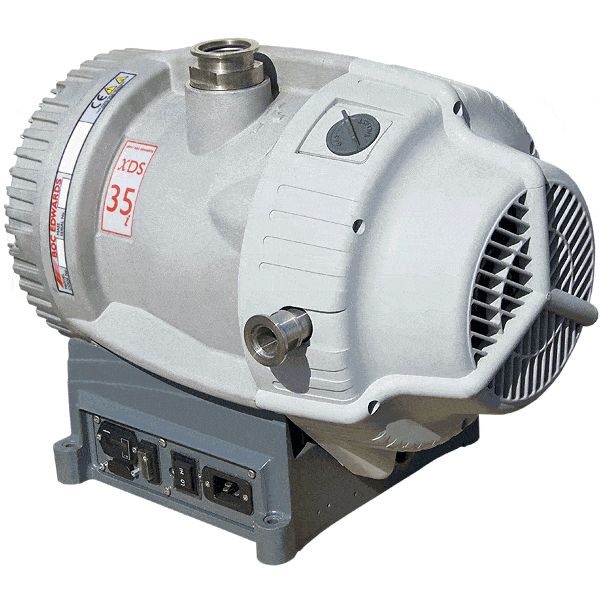
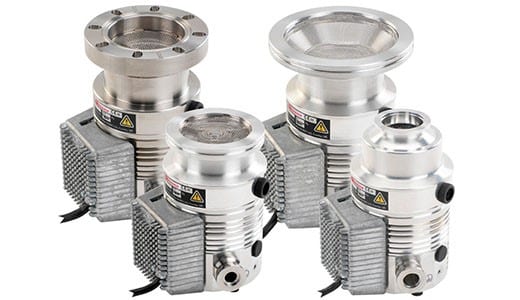
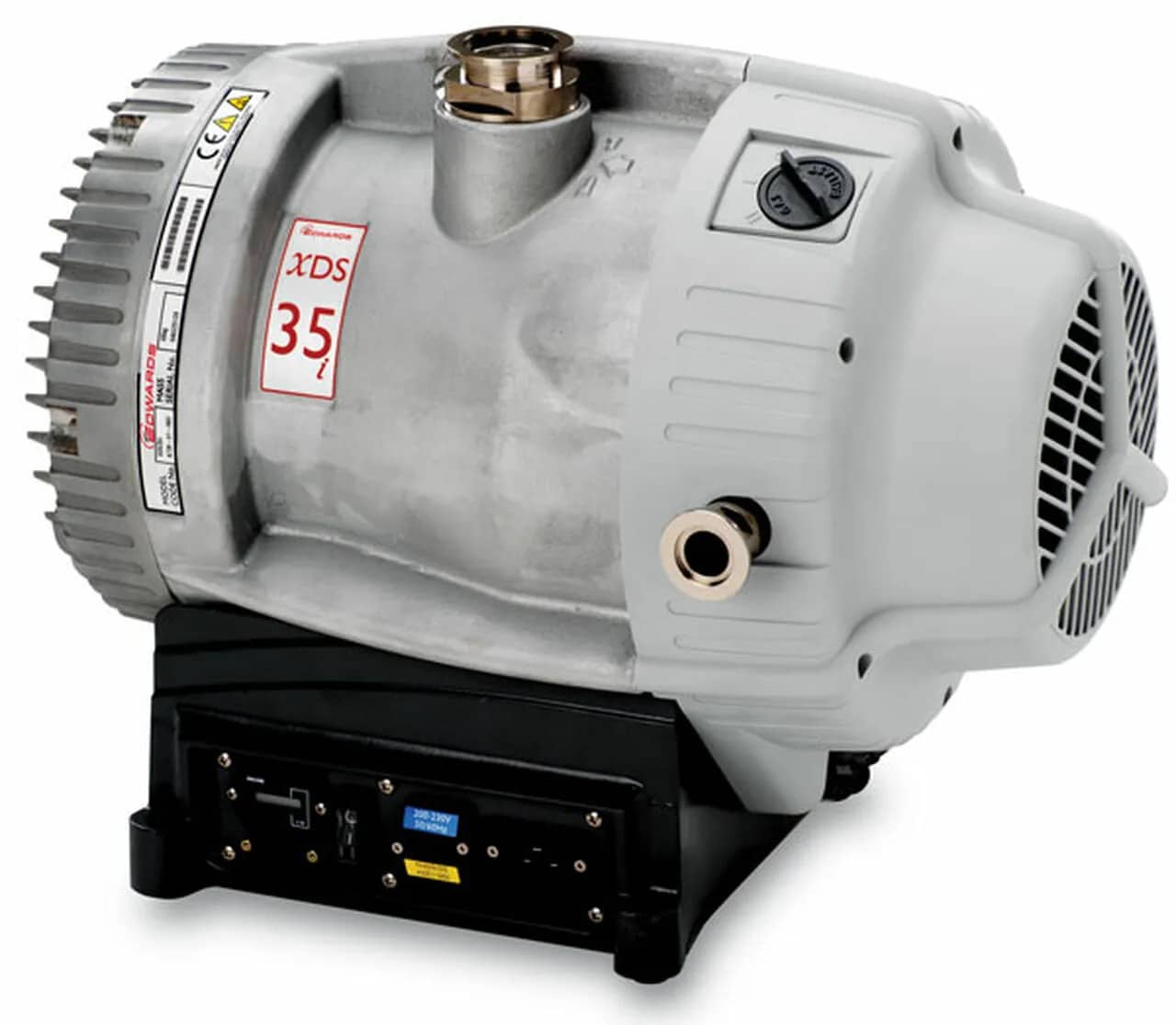
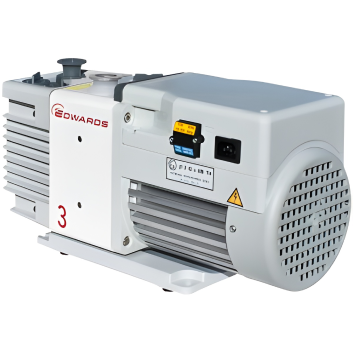
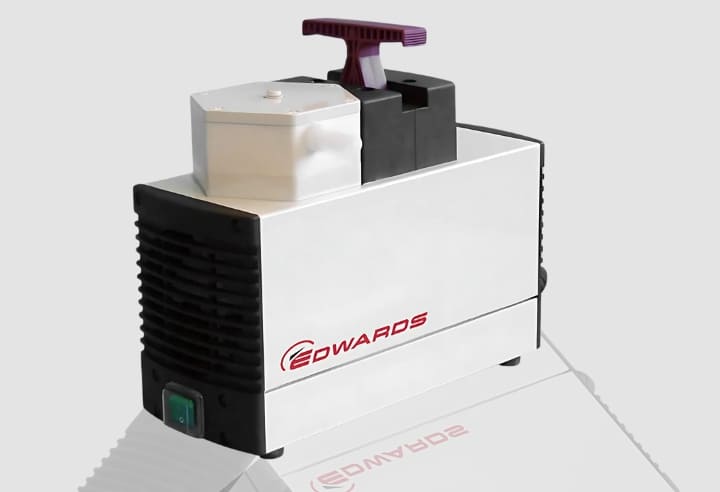
The oven should work effectively with suitable vacuum pumps and components.
Safety Features
Safety controls, monitoring systems and reliable construction are important for industrial environments.
Energy Efficiency
Efficient equipment can help reduce operating costs while maintaining performance.
Conclusion: Selecting the Right Vacuum Solution
An industrial vacuum oven can provide significant benefits for businesses that require controlled heating, drying and processing environments. From improving product quality to reducing contamination risks, vacuum ovens support a wide range of industrial and technical applications.
When choosing vacuum ovens for Sale, it is important to consider your application requirements, operating conditions and long-term support needs.
Ezzi Vision helps Australian businesses select suitable vacuum solutions by understanding their processes and recommending equipment designed for reliable performance.
Need assistance choosing the right vacuum oven for your application? Contact Ezzi Vision today to discuss your requirements.
FAQs
Can vacuum ovens be used for heat-sensitive materials?
Yes, vacuum ovens are ideal for heat-sensitive materials because they allow drying and processing at lower temperatures compared to conventional ovens. By reducing pressure inside the chamber, moisture and solvents can be removed more gently, helping protect material quality and reduce the risk of damage.
What factors should I consider when buying a vacuum oven?
When looking at vacuum ovens for sale, businesses should consider factors such as chamber size, temperature range, vacuum level, application requirements, material compatibility and ongoing support. Choosing equipment based on your specific process helps ensure better performance and long-term reliability.
Do industrial vacuum ovens require a vacuum pump?
Yes, most industrial vacuum ovens require a compatible vacuum pump to remove air and gases from the chamber. The correct pump selection depends on factors such as the application, required vacuum level and materials being processed.
How often should an industrial vacuum oven be maintained?
Maintenance requirements depend on usage, operating conditions and manufacturer recommendations. Regular checks of vacuum seals, temperature controls, chamber cleanliness and connected vacuum equipment can help maintain performance and reduce unexpected downtime.
What is the difference between a vacuum oven and a drying oven?
The main difference is the processing environment. A traditional drying oven uses heated air at normal pressure, while a vacuum oven removes air from the chamber to create reduced pressure. This allows materials to dry at lower temperatures, making vacuum ovens better suited for sensitive or specialised applications.
Get the Right Industrial Vacuum Oven Solution with Ezzi Vision
Whether you need vacuum equipment for manufacturing, research or laboratory applications, Ezzi Vision can help you find a reliable solution.
Get Expert Gas Analysis Advice